tool · stable
Horus
A mobile business application designed with field teams to streamline shipping operations, then extended to inventory and HSE reporting.

Context
The shipping department mainly relied on the company's historical ERP system running on IBM i / AS400. The required information was available, but accessing and using it was not well suited to the operators' day-to-day work on the shop floor. Part of the process also relied on paper documents, team knowledge and movement between field operations and computer workstations. Before developing the solution, I therefore started by observing how the department actually worked, talking directly with operators and their manager, and mapping the different workflows to understand how packing requests were created, how parts were located and which information was genuinely useful in the field.
The problem
The initial goal was to make shipping operations simpler, clearer and easier to manage directly from the field. When an operator received a packing request, they needed to quickly identify what had to be prepared, which parts were involved, where they were located and the current status of the request, without repeatedly searching for information, moving between workstations or asking other team members. The project also needed to improve operational traceability by providing better visibility into what was waiting, being prepared, already packed or ready for shipment.
What I designed
Based on my analysis of the department's actual workflow, I designed a mobile application connected to the existing information system through a REST API. The first technical foundation made the required business data accessible from mobile devices. I then progressively developed the packing workflow: accessing requests, identifying and locating parts, creating packages, reviewing their contents and checking the packages loaded during shipment. Because the existing system had not been structured for some of these new workflows, I also adapted the data model to represent packing requests, their contents and the resulting packages. QR codes were introduced to identify specific areas and streamline field operations. I also learned the Zebra technologies required to design the corresponding labels. Each new stage was developed iteratively with users: an initial version was presented, tested in real working conditions and then adjusted according to their feedback and newly identified business cases. Once this mobile foundation was operational, Horus was extended to other business needs. I developed an inventory module based on barcode and QR-code scanning, as well as an HSE module allowing employees to report potentially hazardous situations or improvement opportunities directly from their phones.
My role
Business process analysis and field observation, direct collaboration with users, workflow modelling, functional and technical design, data-model evolution, C#/Unity development, integration with the existing information system through a REST API, barcode and QR-code scanning, Zebra label design, user testing and continuous improvement based on field feedback. I handled the project from understanding the business processes through the design and development of the mobile application and its subsequent extensions. I also produced technical documentation and UML diagrams describing the architecture, data structures, classes and overall operation of the solution.
Outcome
Horus progressively transformed several field processes by giving teams mobile access to the information they needed where and when they needed it. For shipping operations, the application centralized the information required for preparation, made it easier to locate and track parts and packages, and reduced reliance on paper documents and searches from computer workstations. The same mobile foundation was later used to digitize inventory operations. A process that previously required more than a week was completed in two days during its first year of use and in approximately one and a half days in subsequent years. The HSE module also enabled employees to report situations and improvement opportunities directly from the field. Starting from a targeted shipping requirement, Horus progressively became a mobile platform supporting several business processes within the company.
In detail
This project was developed in an industrial environment and used in day-to-day field operations by several teams.
Horus evolved progressively over approximately two years, driven by newly identified needs and regular feedback from its users.
The project particularly reflects the way I approach software development: understand how people actually work before designing the solution, build with users and evolve the tool based on real-world usage.
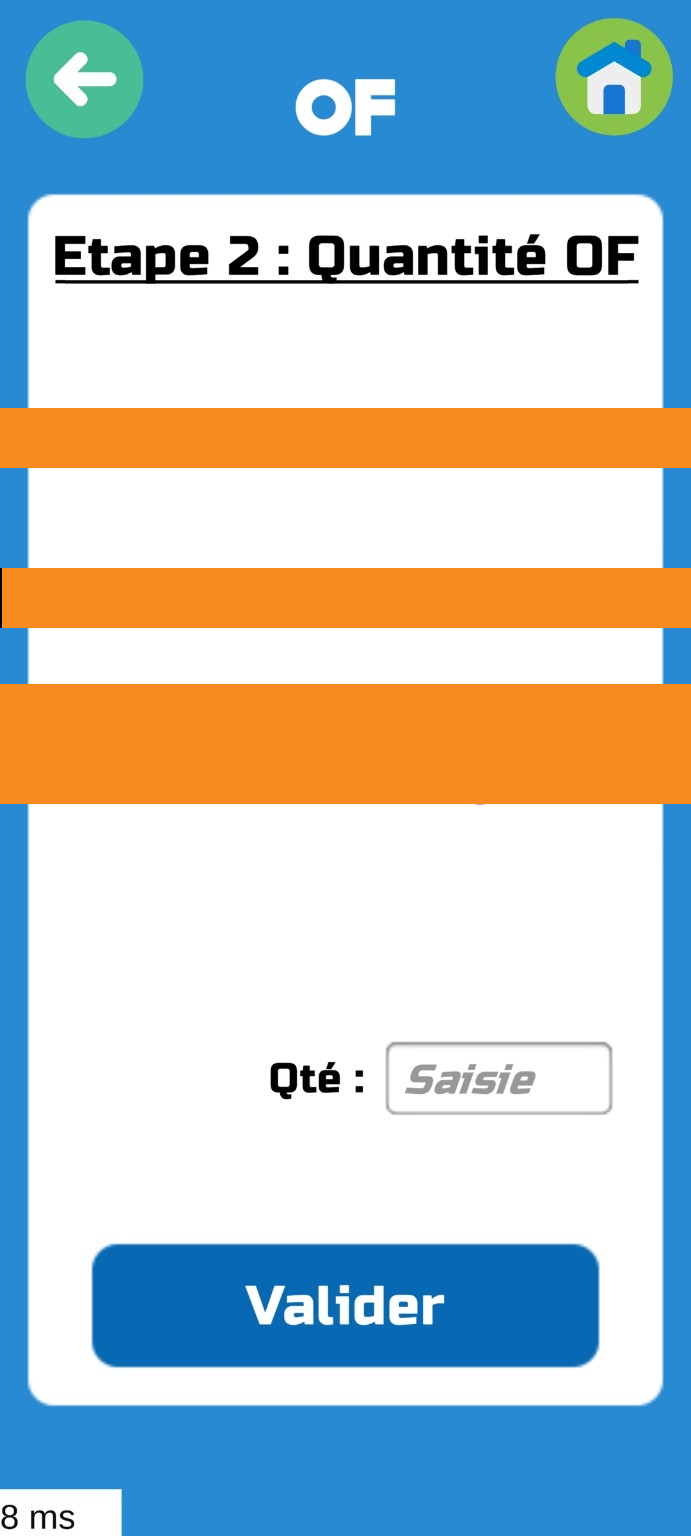
The information and screenshots presented here are intentionally kept at a general level or partially hidden to avoid exposing internal company data.
Screenshots